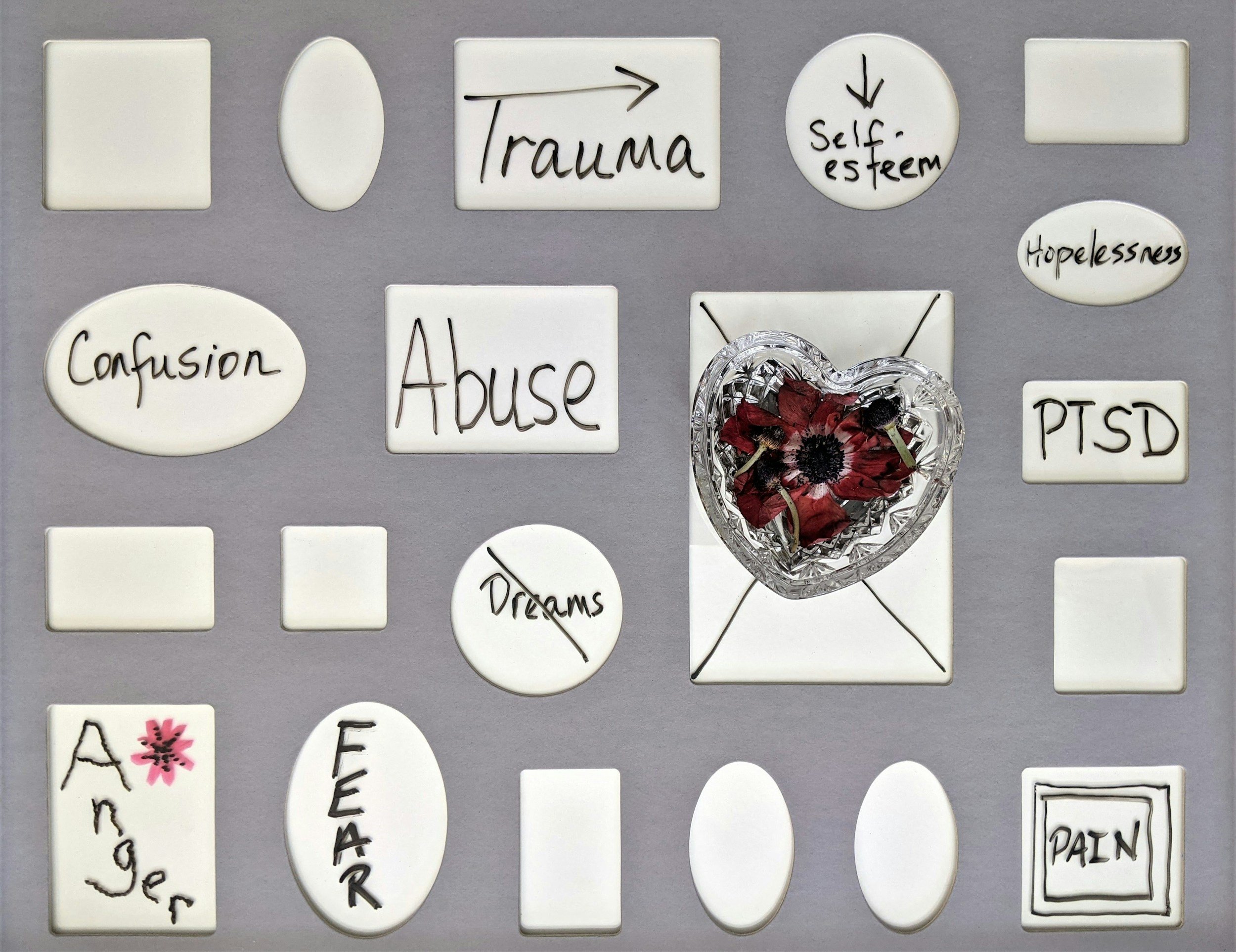
Let's get this started
Today's podcast in the first in a series of topics that will be discussed regarding mental health, counseling, psychotherapy, and healing from trauma and abuse with a focus on dissociation as a way the brain copes with childhood trauma and abuse. The topic featured this week is a very brief overview of mental health disorders that develop in human brains where the brain does not function as normally expected with regard to conscience and empathy. Personality disorders and schizophrenia were the main points of discussion.

In today's podcast I discuss the diagnoses of PTSD and CPTSD with a comparison and contrasting to demonstrate the similarities and differences. I give some case examples to illustrate some of the differences.

Today I am going to talk about dissociation and give a brief overview of dissociative disorders.
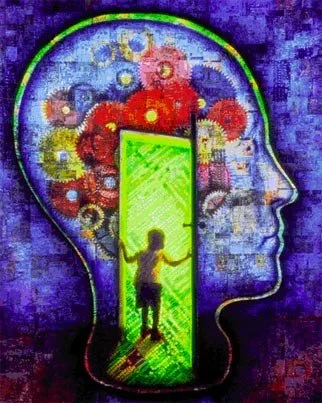
So today I'm going to talk about something in response to a question I got from podcast one. The question was does aphantasia which is the inability to voluntarily generate a visual mental image, does that interfere with autobiographical recall of information?
Let’s put this all together
Today I want to connect what I have talked about so far and give some examples of what it could look like when I have a client that has CPTSD. WHAT TRAUMA REALLY IS, is not what most people think.

Many Rooms: One House
Today I am going to talk about dissociative identity disorder. In both popular media and clinical spaces, Dissociative Identity Disorder or DID is often framed as anomalous or sensational and something to be afraid of.
This episode is designed with people in mind who live with complex trauma, attachment trauma, or dissociation. It's important to respect safety through pacing and supporting choice. That means we will move slowly. We'll explain concepts in a grounding way, and you're always invited to pause, skip ahead, or come back later.

Dissociation through the lens of polyvagal theory
This episode is designed with people in mind who live with complex trauma, attachment trauma, or dissociation. It's important to respect safety through pacing and supporting choice. That means I will move slowly. I’ll explain concepts in a grounding way, and you're always invited to pause, skip ahead, or come back later.

Depression, dysthymia, and CPTSD
This episode is designed with people in mind who live with depression, dysthymia, complex trauma, attachment trauma, or dissociation. It's important to respect safety through pacing and supporting choice. That means I will move slowly. I’ll explain concepts in a grounding way, and you're always invited to pause, skip ahead, or come back later. I encourage you to take in the information in “chunks”.

Spirituality in trauma and grief psychotherapy
Today we’re talking about something that many therapists, counseling students, and clients feel unsure about at first… spirituality in psychotherapy. And this can be a touchy subject because spirituality is not religion necessarily — but meaning, purpose, identity, and how clients connect to the world around them and make sense of suffering. Spirituality refers to a personal, internal experience of connection to something larger than oneself.

When Trauma Meets Attention: CPTSD and Untreated ADHD
Today we’ll explore how CPTSD and ADHD overlap, why they often get missed or misdiagnosed, and what healing can actually look like. Increasing research suggests significant bidirectional interaction between trauma exposure and executive functioning deficits. Today’s episode synthesizes clinical research, neurobiology, and treatment implications.
Shame, CPTSD, and Dissociation: Understanding the Hidden Survival System
Today I am going to talk about shame and CPTSD dissociation. I will be going deeper into the nervous system mechanics behind shame and dissociation in complex trauma. This episode will also explore how polyvagal theory helps us understand why shame feels so overwhelming — and why dissociation isn’t weakness, but protection. And why shame becomes identity. I will also touch briefly on shame and shadow work.
Emotional Shutdown vs Autism
Today I want to talk about emotional shutdown from trauma and dissociation vs autism. This is an important and nuanced question, especially because emotional shutdown can look like autism on the surface, and autism can include shutdowns. The overlap is real, but the underlying mechanisms are different.

More about Attachment
Today we’re diving into something that sits underneath so many of our struggles with relationships, anxiety, disconnection, even shame. The terms attachment wounding and attachment trauma are closely related—but they’re not the same. The difference mostly comes down to intensity, repetition, and nervous system impact.

I want to preface today’s discussion by saying that I am a fan girl of reality TV for Ancient Aliens, The Secret of Skinwalker Ranch, The Dead Files, Ghost Hunters, and Kindred Spirits. I have watched all these shows since their day 1 or pilot episode. My interest in all types of paranormal investigation shows goes all the way back to Paranormal State before the accusations and debunking of the show was a thing.
The High Cost of Being Perfect
Today we’re diving into something that sits underneath so many of our struggles with relationships, anxiety, disconnection, even shame. The terms attachment wounding and attachment trauma are closely related—but they’re not the same. The difference mostly comes down to intensity, repetition, and nervous system impact.

Welcome back to the podcast—today we’re asking a question that sounds fake but is actually ruining people’s lives quietly… Would you rather be relevant—like everyone’s watching you— or in touch with reality, like… you know who you are and your brain isn’t on fire?